
Sports nutrition jobs
Volpi E, Kobayashi H, Sheffield-Moore M, Mittendorfer B, Wolfe RR. Essential amino acids are primarily responsible for the amino acid stimulation of muscle protein anabolism in healthy elderly adults https://mansionminds.com. Am J Clin Nutr. 2003;78:250–8.
Meat-based diets have been shown to include additional overall health benefits. Some studies have found that meat, as a protein source, is associated with higher serum levels of IGF-1 , which in turn is related to increased bone mineralization and fewer fractures .
Antonio J, Ellerbroek A, Silver T, Vargas L, Peacock C. The effects of a high protein diet on indices of health and body composition–a crossover trial in resistance-trained men. J Int Soc Sports Nutr. 2016;13:3.
Kerksick CM, Rasmussen CJ, Lancaster SL, Magu B, Smith P, Melton C, et al. The effects of protein and amino acid supplementation on performance and training adaptations during ten weeks of resistance training. J Strength Cond Res. 2006;20:643–53.
Ferguson-Stegall L, Mccleave EL, Ding Z, Doerner PG 3rd, Wang B, Liao YH, et al. Postexercise carbohydrate-protein supplementation improves subsequent exercise performance and intracellular signaling for protein synthesis. J Strength Cond Res. 2011;25:1210–24.
Armed sports nutrition
There are various services offering batch testing services for supplements; each service varies with regards to frequency of testing, what they test for and whether or not their analysis includes WADA Prohibited List violations.
Informed Sport is the world’s leading testing and certification program for brands producing sports and nutritional supplements. Designed for elite sport, it protects athletes from inadvertent doping caused by supplements contaminated with banned substances. As such, it is recognised by sporting and governing bodies, anti-doping bodies and nutrition industry organisations, and the armed and special forces.
The International Society of Sports Nutrition (ISSN) is an association of sports nutritionists, sports scientists, and other individuals involved in the study and application of sports nutrition to athletic performance.

There are various services offering batch testing services for supplements; each service varies with regards to frequency of testing, what they test for and whether or not their analysis includes WADA Prohibited List violations.
Informed Sport is the world’s leading testing and certification program for brands producing sports and nutritional supplements. Designed for elite sport, it protects athletes from inadvertent doping caused by supplements contaminated with banned substances. As such, it is recognised by sporting and governing bodies, anti-doping bodies and nutrition industry organisations, and the armed and special forces.
Supplement sports nutrition
To make it easy, you can use your hand to track your intake. For example, one portion of lean protein—say, lean steak, chicken breast, or tofu—is the diameter and thickness of your palm and provides about 25 grams of protein. A scoop of protein powder is usually the same. (Check the product label to be sure.)
Nutrition is important in sports as it impacts performance. Proper nutrition can also enhance recovery and sleep, two factors that closely impact performance. Timing of meals is more important for athletes than the general population—consuming food too close to activity can hinder performance, and it is important to consume the proper combination of foods so as not to cause digestion issues.
Although you may not think of it as a “supplement,” a number of pro athletes have begun to promote chocolate milk as an ideal post-workout beverage due to its combination of protein, carbohydrates, water, and electrolytes (in the form of sodium and calcium). A review of the effects of chocolate milk on post-exercise recovery found that chocolate milk provided similar or superior results compared to water or other sports drinks, while another review found that low-fat chocolate milk was an effective supplement to spur protein synthesis and glycogen regeneration. However, the authors noted that evidence is limited and high-quality clinical trials with larger sample sizes are warranted. Of note, many studies of chocolate milk as a post-workout supplement are sponsored by the dairy industry, which may introduce bias. Chocolate milk generally contains high amounts of added sugars and saturated fat, and is likely most useful for athletes conducting high-intensity exercise for multiple hours a day, such as professional swimmers competing in the Olympics. However, for most individuals conducting moderate-intensity physical activity, such as an hour of jogging or bicycling, water is a healthier alternative as a post-workout beverage.
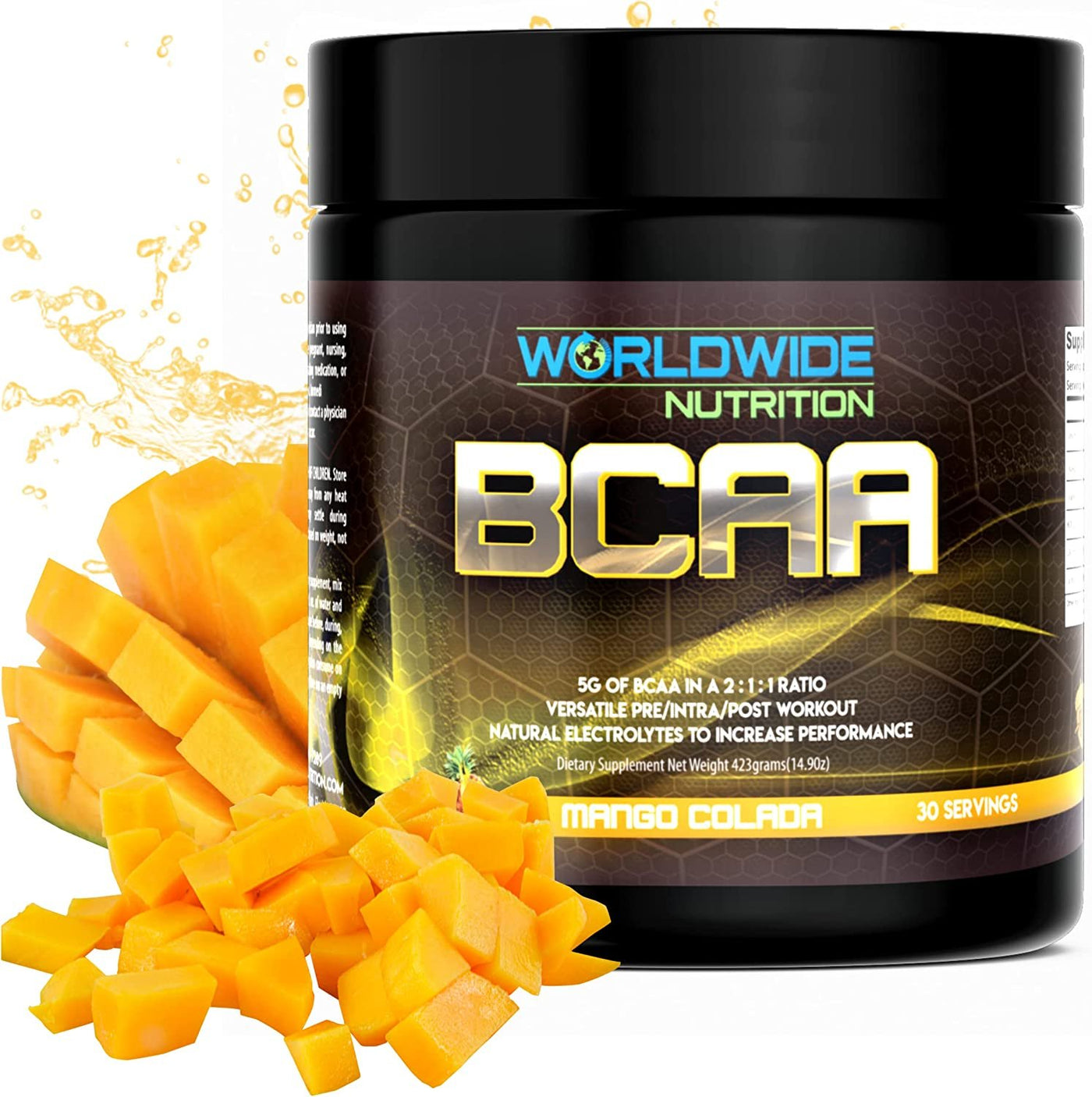
To make it easy, you can use your hand to track your intake. For example, one portion of lean protein—say, lean steak, chicken breast, or tofu—is the diameter and thickness of your palm and provides about 25 grams of protein. A scoop of protein powder is usually the same. (Check the product label to be sure.)
Nutrition is important in sports as it impacts performance. Proper nutrition can also enhance recovery and sleep, two factors that closely impact performance. Timing of meals is more important for athletes than the general population—consuming food too close to activity can hinder performance, and it is important to consume the proper combination of foods so as not to cause digestion issues.
Although you may not think of it as a “supplement,” a number of pro athletes have begun to promote chocolate milk as an ideal post-workout beverage due to its combination of protein, carbohydrates, water, and electrolytes (in the form of sodium and calcium). A review of the effects of chocolate milk on post-exercise recovery found that chocolate milk provided similar or superior results compared to water or other sports drinks, while another review found that low-fat chocolate milk was an effective supplement to spur protein synthesis and glycogen regeneration. However, the authors noted that evidence is limited and high-quality clinical trials with larger sample sizes are warranted. Of note, many studies of chocolate milk as a post-workout supplement are sponsored by the dairy industry, which may introduce bias. Chocolate milk generally contains high amounts of added sugars and saturated fat, and is likely most useful for athletes conducting high-intensity exercise for multiple hours a day, such as professional swimmers competing in the Olympics. However, for most individuals conducting moderate-intensity physical activity, such as an hour of jogging or bicycling, water is a healthier alternative as a post-workout beverage.